Comparisons
Stretch ceiling advantages and disadvantages
An honest look at what stretch ceilings do well, where they have limits, and when another ceiling may suit you better.
By Skyceil team · · 1 min read
Editorial draft — general guidance awaiting review by the Skyceil team. Confirm details for your project with us.
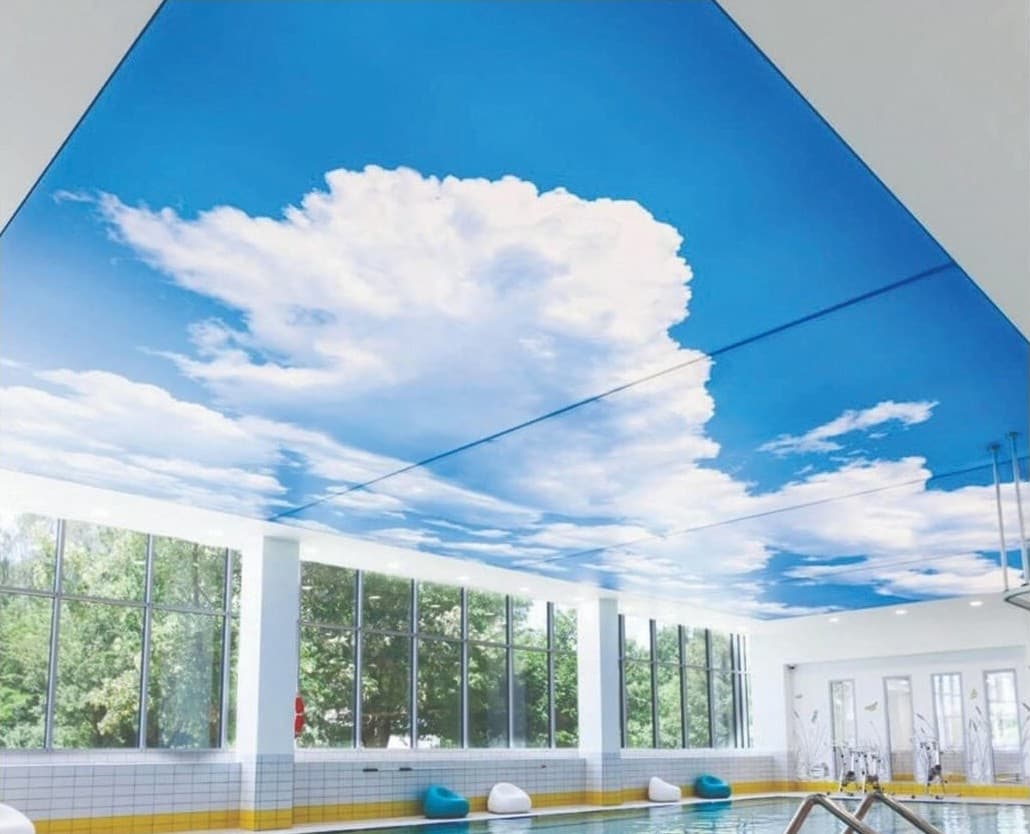
Stretch ceilings solve many problems that plaster ceilings have, but they are not the right answer for every room or budget. Here is a balanced view.
Advantages
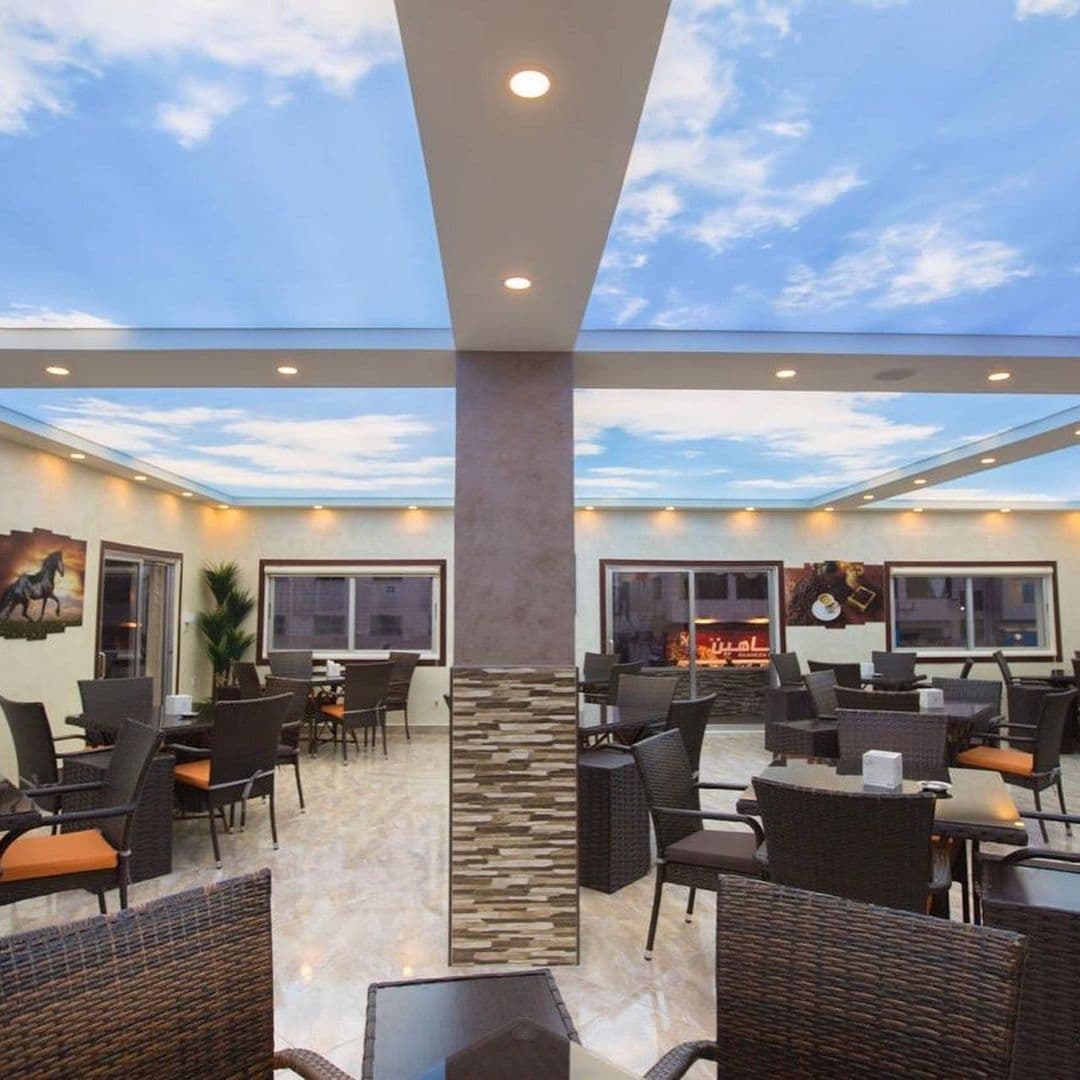
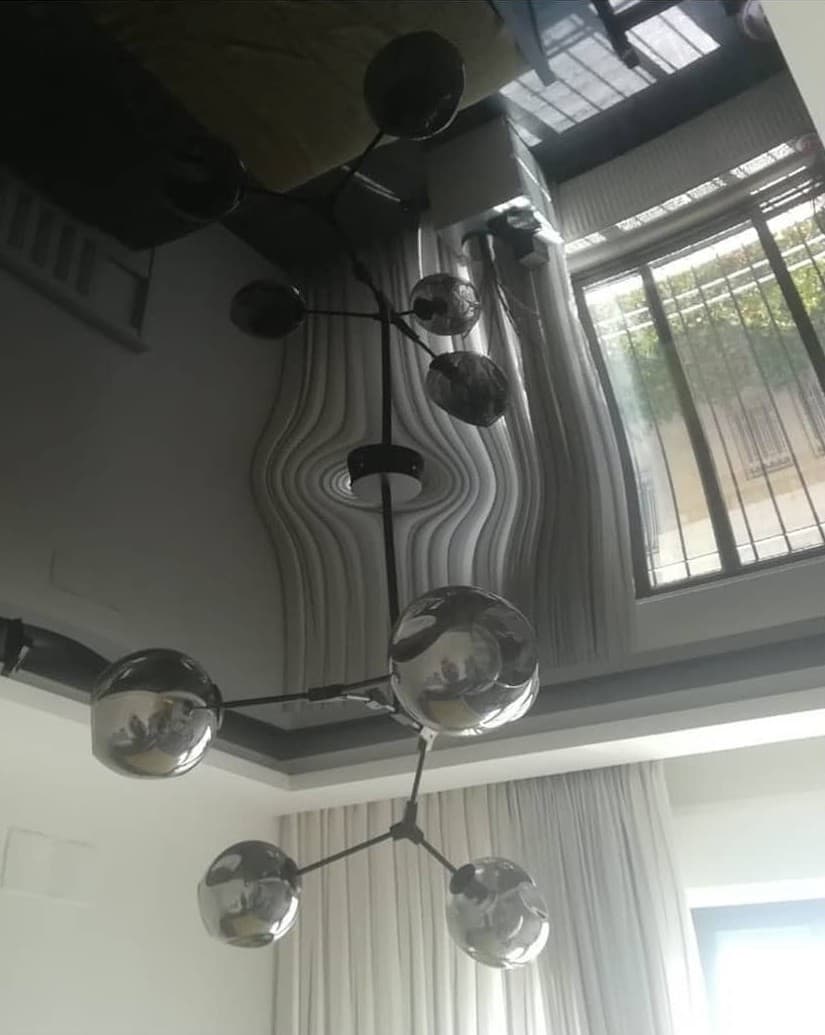
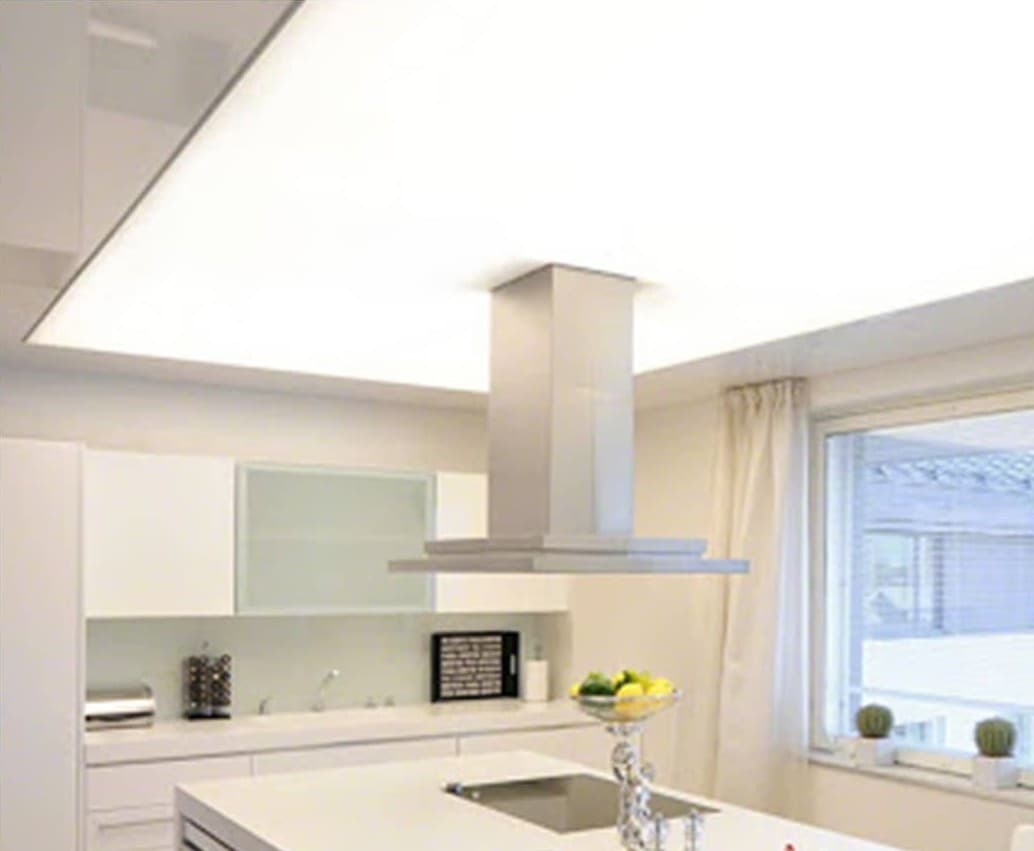
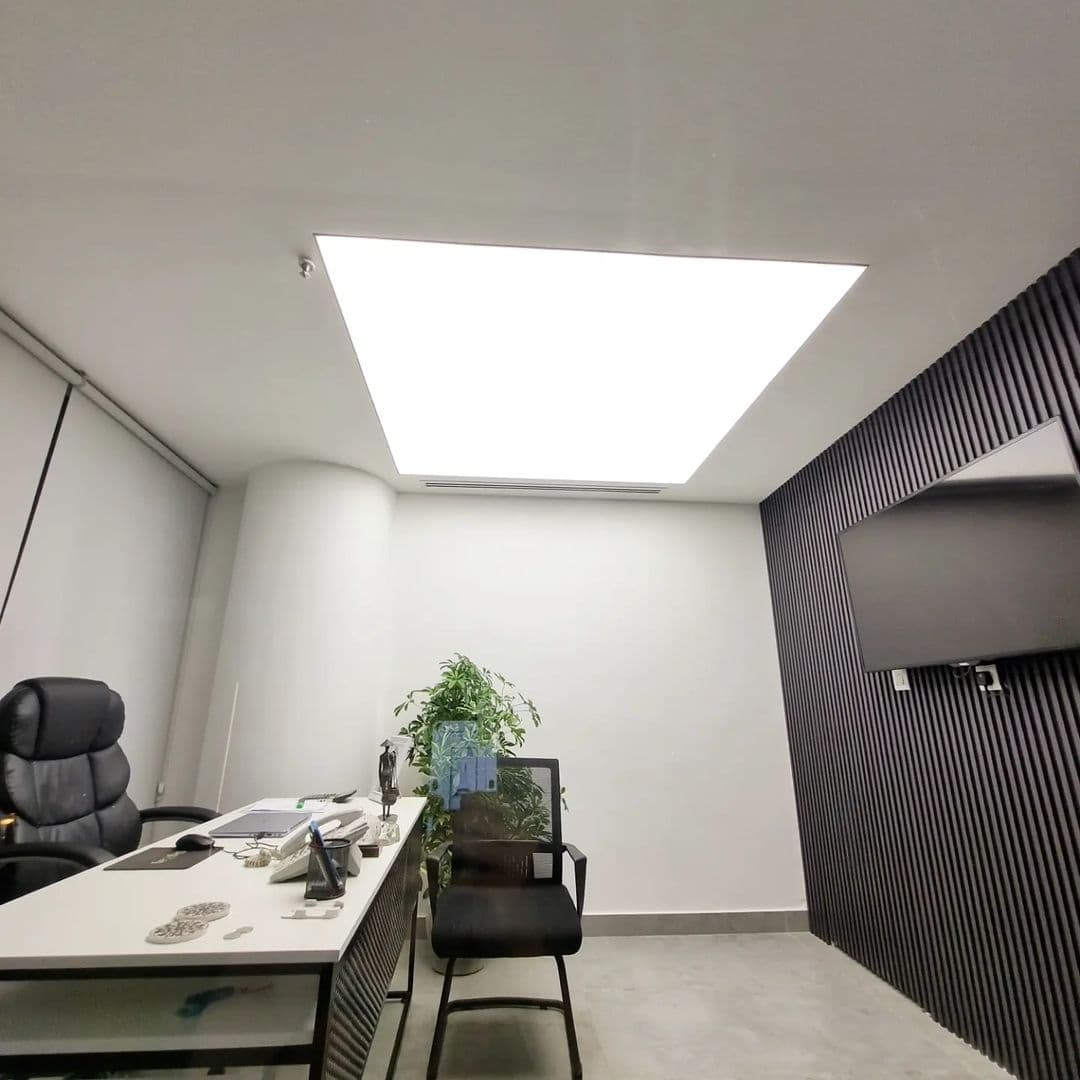
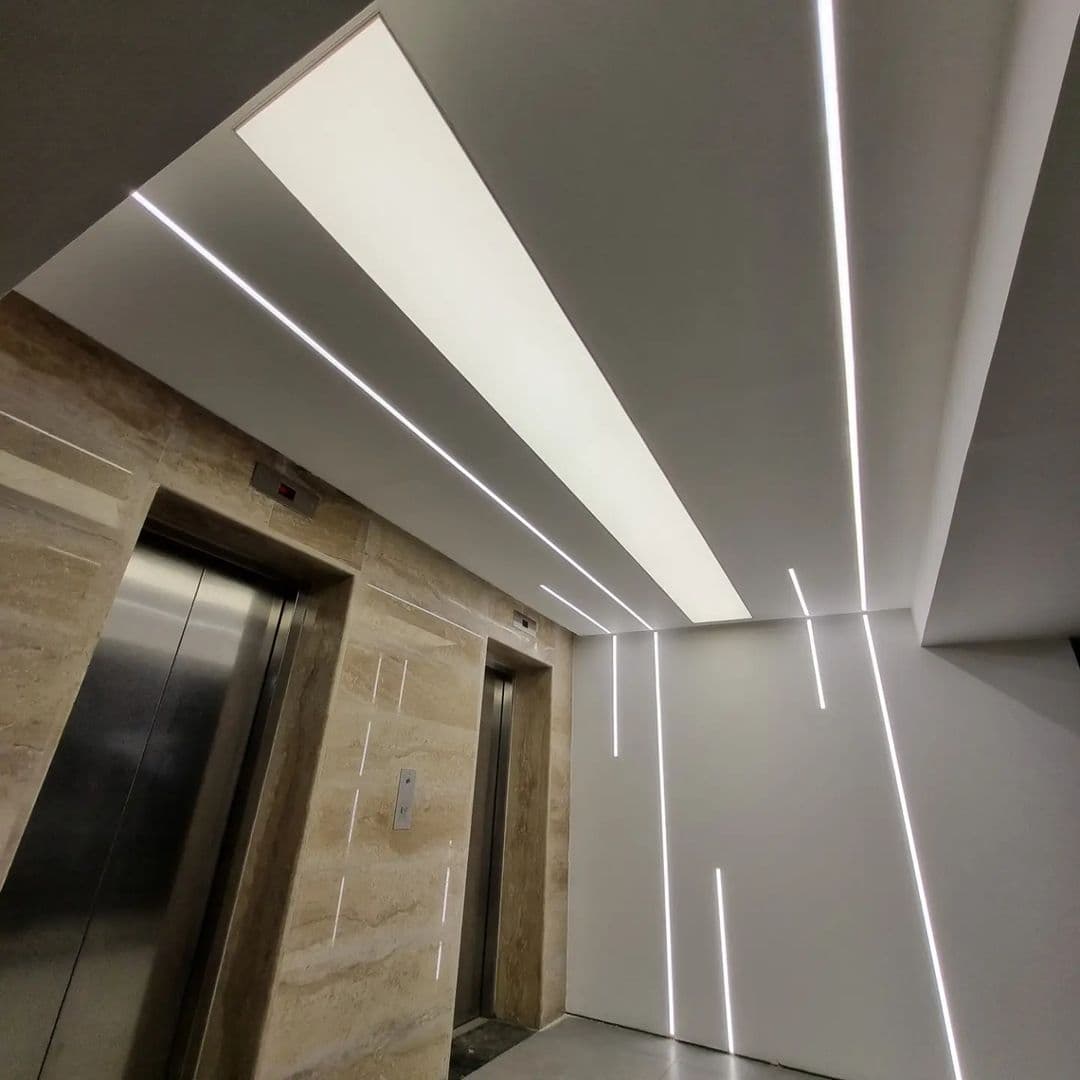
- Finishes plaster cannot achieve: gloss, translucent backlit, printed images and 3D forms.
- Clean, dry installation with far less dust than POP work.
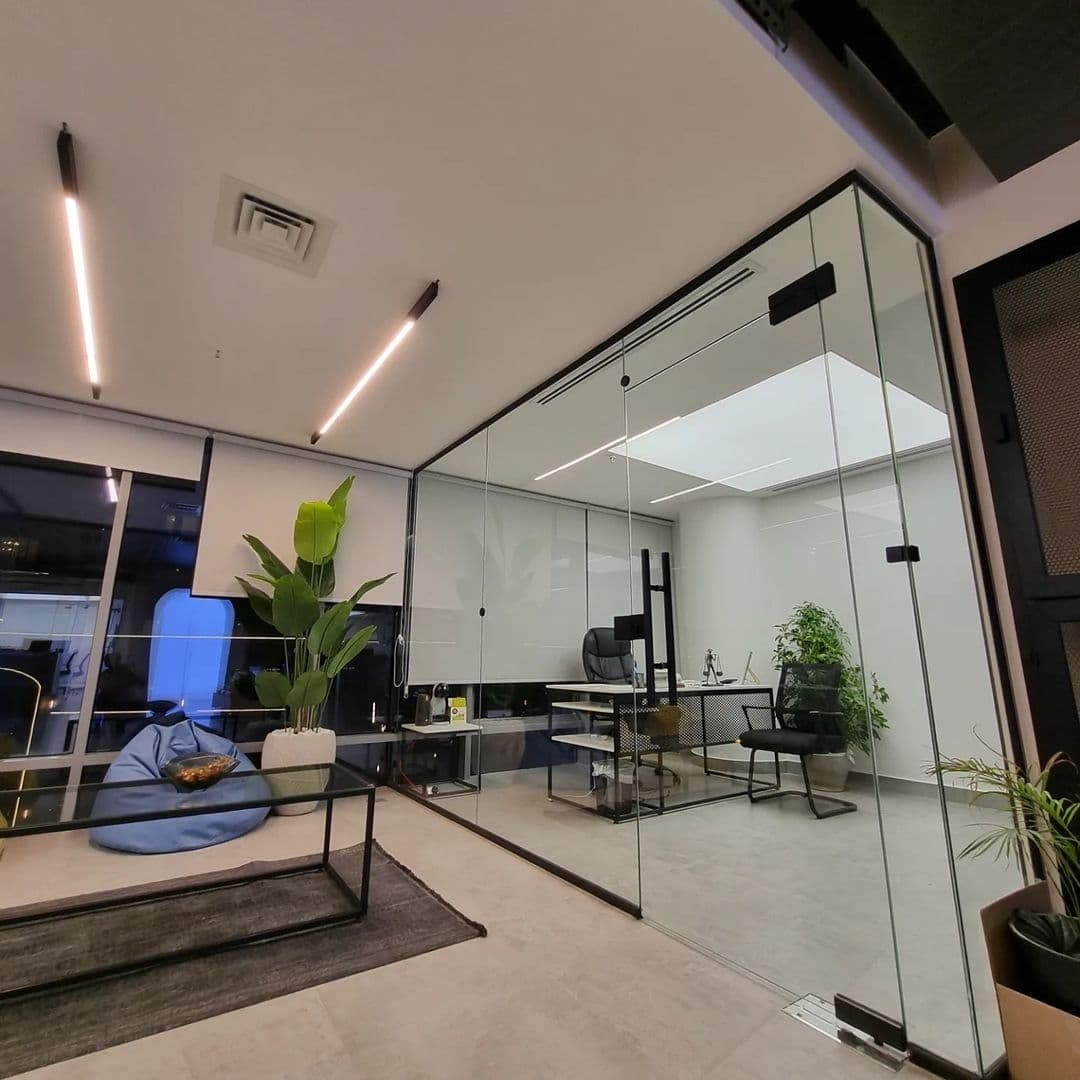
- Hides uneven slabs, wiring and ducts behind one smooth surface.
- No repainting; the surface can be wiped or dusted.
- Can often be installed below an existing ceiling.
Disadvantages and limits
- The membrane can be punctured by sharp objects, so take care with ladders and furniture.
- Changing the colour later means a new membrane rather than a coat of paint.
- Feature finishes — backlit, printed, 3D — cost more than a basic painted ceiling.
- Very large areas may need joins or intermediate profiles.
- It needs specialist installation; it is not a DIY product.
When another ceiling may suit you better
For a simple painted ceiling on a tight budget, or a design that depends on hand-sculpted plaster, POP or gypsum may be the better choice. Our comparison guide covers the differences in detail.